
Home » Clinical Research Support for Doctors
Clinical Research Support for Doctors
PlanetMed supports doctors, residents, specialists and medical teams in planning and advancing medical research: from the research question and protocol to data organization, statistical analysis, scientific writing and preparation for submission.
The goal is to connect the clinical logic, methodology, data and writing – so the research is clearer, more consistent and ready for the next professional step.
Led by Dr. Omri Weisman
PhD in Neuroscience
Research team
Researchers with PhD-level and advanced research training
From the clinical question to scientific writing
Research becomes stronger when the question, protocol, data and writing are built together.
Research question and population
What exactly is being studied, in whom, and according to which outcomes.
Protocol and documents
A research document that can be carried out, documented and explained.
Data and biostatistics
An analytical plan that serves the research question, not a detached statistical exercise.
Medical writing
Clear, careful and scientific presentation of the findings.
Research support that connects clinical logic, methodology, data and writing.
What does clinical research support for doctors include?
Clinical research support for doctors includes professional guidance in the planning, structure and advancement of medical or clinical research. This may include refining the research question, defining the study population and endpoints, building or improving a protocol, preparing study documents, organizing data, planning the statistical analysis, interpreting findings and preparing scientific materials for the next step.
The service is adapted to the current stage of the study. Some projects need help at the first idea stage. Others already have data, a draft protocol, preliminary results or a manuscript that needs tighter methodological and scientific structure.
Doctors and medical teams with a research idea, an active project or data that needs to become a structured study.
The service is especially relevant when the clinical foundation is strong, but the connection between the question, protocol, data and writing is not yet fully organized. This may be a physician with an initial research idea, a medical department with existing clinical activity, a team preparing an ethics submission, or a researcher already working toward a manuscript.
Physician with retrospective data
When data already exists and the team needs to understand what can actually be studied, how to define endpoints and which analysis plan is appropriate.
Medical department or clinical team
When clinical activity needs to be translated into a study that can move toward protocol, ethics committee submission, data analysis or scientific writing.
Project before ethics committee submission
When the research question, documents and clinical reality need to be aligned before submission.
Researcher at manuscript stage
When the writing stage reveals that the analytical structure, tables or research logic still need to be sharpened.
Where do clinical studies lose stability?
Clinical studies usually become weaker not because the idea is poor, but because early planning gaps remain unresolved. When the research question, population, outcomes, documents and data are not built on the same professional line, the study becomes harder to execute, analyze and write.
Research question that is not precise enough
The clinical direction may be correct, but if the population is too broad, outcomes are unclear, or the question does not match the data that can be collected, the study becomes difficult to advance.
Protocol that does not reflect real-world execution
A protocol is not just a formal document. It should describe a study that can be carried out, documented and analyzed. A gap between the document and clinical reality often leads to revisions and delays.
Statistical planning that comes too late
When the analytical plan is built only after data collection, gaps may appear in variables, comparison groups or the explanatory strength of the results.
Medical writing that tries to fix weak planning
Good writing can clarify a study, but it cannot replace methodology. That is why the writing should be connected to the question, data and findings throughout the process.
What can PlanetMed support within a clinical research project?
The support is adapted to the stage and type of study: retrospective research, prospective research, observational studies, interventional studies, case series or case-control studies.
Research question refinement and methodological planning
Defining the research aim, study population, inclusion and exclusion criteria, key variables, outcomes and comparison groups.
Retrospective Prospective Endpoints
Protocol, study documents and ethics committee materials
Support in building a protocol, working documents and materials relevant to an ethics committee or Helsinki committee submission. When relevant, the work can also address ICH-GCP principles, CRF forms and basic database structure.
Protocol ICH-GCP CRF
Analytical planning and biostatistics
Building an analysis plan connected to the research question, including comparisons, outcomes, variables, subgroups and careful statistical interpretation.
Data analysis and results presentation
Support in producing tables, graphs, results and analytical summaries in a way that supports scientific writing.
Medical writing and publication support
Support in preparing manuscript drafts, abstracts, posters, Methods and Results sections, Discussion sections or careful responses to reviewers. The service does not guarantee approval, acceptance or publication.
A process that starts with understanding the research, not with producing a document.
Mapping the current state of the study
What already exists: idea, protocol, data, approvals, tables, draft or submission need.
Defining the professional gap
Is the main gap in the research question, methodology, documents, data, statistics or writing?
Building a work plan
Defining stages, deliverables and order of action according to the research and the team’s constraints.
Professional support through the next deliverable
Protocol, documents, analytical plan, results, manuscript draft, abstract or another material needed for progress.
Full support or focused intervention?
Not every clinical study needs broad support. The right scope depends on the number of open gaps and the stage of the study. If the question is clear, the data is organized and the need is specific, a focused intervention may be enough. If several layers are still open – question, protocol, database, analysis and writing – a broader pathway is usually more effective.
What can come out of the work?
The deliverables depend on the research stage, data quality, institutional requirements and professional need. In some cases, the deliverable will be a research protocol or methodological correction. In others, it may be an analytical plan, structured results tables, a manuscript draft, an abstract, a poster or a professional response to reviewers.
Research protocol
A clear research structure connecting the aim, population, outcomes and methods.
Analytical plan
Defined comparisons, variables, subgroups and statistical outputs.
Tables and results
Organized findings that support scientific writing and discussion.
Manuscript draft or abstract
Careful medical writing that presents the study professionally and clearly.
A research partner for doctors and medical teams, not a generic writing service or a detached statistics provider.
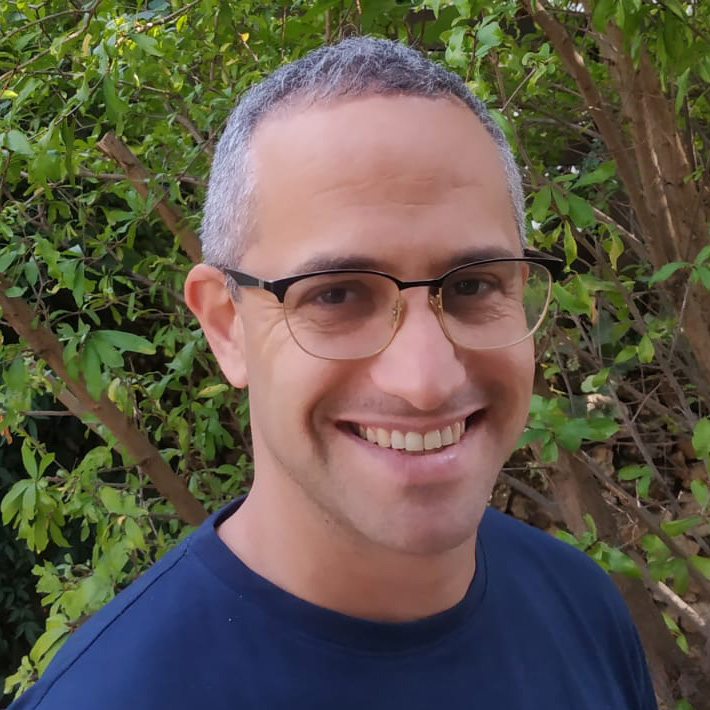
Dr. Omri Weisman
PhD in Neuroscience, postdoctoral research background at Yale and Tel Aviv University, with experience in scientific publications and research leadership.
PlanetMed connects clinical understanding, methodology, biostatistics and medical writing so the research can progress consistently instead of being split between disconnected providers.
Deep research background
Professional leadership by a researcher who understands the path from clinical idea to scientific study.
Connection between disciplines
Statistics, writing and documents are evaluated in relation to the same research question.
Careful positioning
Not a full operational CRO, not general academic writing and not a promise of publication.
Topics that connect to the clinical research process
Clinical research involves several professional layers. The following pages can help deepen specific parts of the process.
Clinical research protocol writing
Connecting the research question, methods and documents.
Sample size planning
Plan sample size around your study design, primary outcome and assumptions.
Choosing primary and secondary outcomes
Define the outcomes that will drive your protocol and statistical analysis plan.
Writing the results section
Present and interpret your findings clearly in a medical research paper.
Ethics committee submission support
Documents and materials relevant to ethics committee review.
Clinical research - background guide
Background for teams that want to understand the process before starting support.
What should you prepare before clinical research support?
Before beginning clinical research support, it is helpful to gather the materials that already exist: an initial research question, research aims, target population, inclusion and exclusion criteria, outcome variables, data files, institutional requirements, existing approvals, previous tables or drafts, and any deadlines or submission constraints.
The goal is not to arrive with everything complete. The goal is to understand what exists, what is missing and what needs to be built next.
How do data, biostatistics and medical writing connect?
In strong medical research, statistics is not a separate stage that appears only at the end. Already at the protocol stage, the team should understand which variables are collected, how they are defined, what the unit of analysis is, which comparisons are planned and how results will eventually be presented.
When data planning and writing are connected early, the manuscript can present the study more clearly. The Methods section reflects what was actually done, the Results section follows the analytical plan, and the Discussion can interpret the findings without overclaiming.
What is the difference between a protocol, ethics submission and manuscript?
A research protocol explains what the study examines, in which population, using which methods, which data will be collected and how the analysis will be performed. An ethics committee or Helsinki committee submission is based on that protocol and adds the institutional documents required for review. A manuscript is the scientific article that presents the research question, methods, results and interpretation after the study has progressed.
These stages are connected, but they are not the same. When the protocol is unclear, the submission and writing stages usually become harder later.
Good support can strengthen the research, but it cannot guarantee an outcome.
Clinical research is a professional process with limitations, uncertainty and dependencies that are not always under the research team’s control.
Professional support can strengthen planning, improve clarity, reduce gaps and support a more organized next step. It cannot guarantee a specific research result, ethics committee approval, journal acceptance, publication or any other external decision.
Frequently asked questions before starting clinical research support
Do I need to arrive with a complete protocol?
No. You can arrive with an idea, existing data, a protocol draft or a study that is already in progress. The support is adapted to the stage you are in.
Is the service relevant for retrospective and prospective studies?
Yes. The support can fit retrospective, prospective, observational and interventional studies, depending on the research question and the data source.
Does the service include biostatistics?
Yes, when it is part of the study’s needs. The goal is to connect the statistical planning to the research question, data and writing.
Does PlanetMed guarantee publication?
No. PlanetMed can support planning, analysis, writing and professional preparation, but cannot guarantee acceptance or publication in a journal.
Is the service suitable for medical departments and hospital teams?
Yes. The service can support individual physicians, research teams, medical departments and groups of researchers that need methodological, statistical or writing support.
Want to understand whether your study is ready for support?
You can start with a short conversation about the current state of the research, what already exists, what is missing and which professional deliverable should come next.
Next step
A short mapping of the question, data, documents and research goal.

